
It’s simpler than you think.
If you’ve ever spent too long comparing lux numbers, spot sizes, and feeling confused about the differences between all the loupes lights out there — you’re not alone. But what most people don’t understand is that the real challenge behind choosing a headlight isn’t the light itself. It’s matching the light to your loupes needs.
Every loupe type and magnification level creates a different clinical situation. The power, spot size, and even heat output of your light need to align with your loupe magnification — or you end up with too little illumination, too much glare, or a spot that doesn’t fit your field of view. That matching is honestly hard to calculate for most users, so it’s no wonder so many find it complicated and confusing.
Why Higher Magnification Demands More Light
To understand the challenge, think about what happens inside your loupes. Light enters the optical tube on one end and reaches your eye on the other. The higher the magnification, the longer and narrower that tube becomes — and the less light makes it through to your eye.
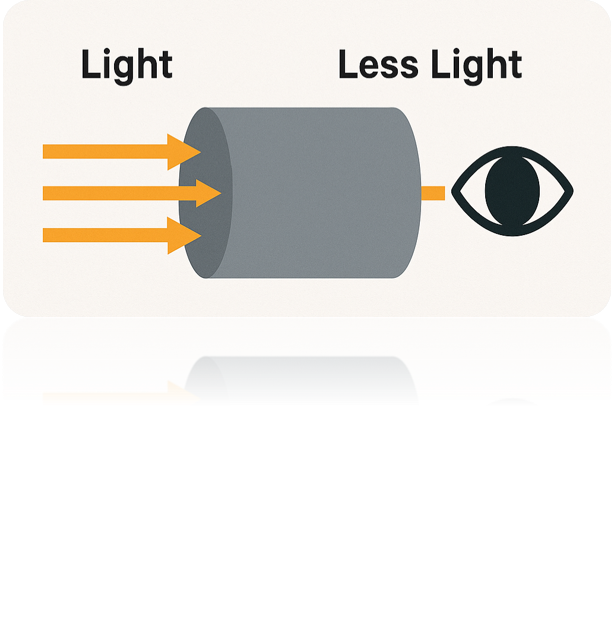
Higher magnification = longer optical path = less light reaching your eye.
But that’s only half the story. Higher magnification also means you’re seeing far more detail — the depth of a cavity, the floor of a canal, the fine margins of a preparation. These details demand strong, focused illumination to become visible.
And there’s a third factor: field of view. High-magnification loupes don’t show you the entire mouth — typically just a few teeth. A light with a large spot wastes energy illuminating areas outside your working zone, can accidentally blind the patient, and spreads its power across a wide area instead of concentrating it where you need it most. A smaller, more precise spot puts every lumen to work inside your actual field of view.
Engineered to Match
At Admetec, we didn’t just make brighter lights. We re-engineered how spot size, LED technology, and thermal management work together — specifically to solve the challenges of high-magnification clinical work. Our plus-family lights deliver more concentrated light, a precisely sized spot matched to a smaller field of view, and advanced heat dissipation so the LED runs at peak performance without overheating on your loupes.
Admetec is the first and only loupes company to develop an entire light line optimized for high magnification.
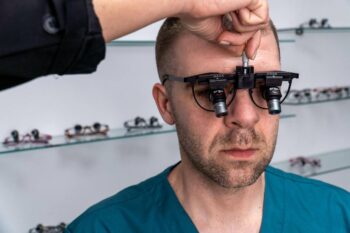
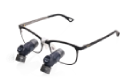
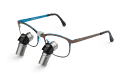
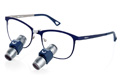
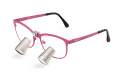
But precision tools for high-magnification work are just one part of what we do. Admetec loupes are designed from the ground up for ergonomic comfort, exceptional optics, and all-day wearability — whether you’re working at 2.5x or 6x and beyond. We offer the full range, from everyday clinical loupes to the most demanding micro-detail setups, because we believe every clinician deserves tools that match the way they work.
We Did the Research So You Don’t Have To
We’ve developed dedicated light families for both high and standard magnifications — each one carefully engineered so the power output and spot size are matched to the field of view at every magnification level. Behind the scenes, our R&D team put in serious work to get this right.
What does that mean for you? You don’t need to decode specs anymore. You just need to answer one simple question:
Do you prefer wired or wireless?
That’s it. Once you know your magnification, we match you with the right light automatically.
Admetec developed two dedicated lines of high-magnification compatible lights — one wired and one wireless — so no matter your preference, there’s a light engineered for demanding clinical work at higher magnifications.
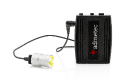
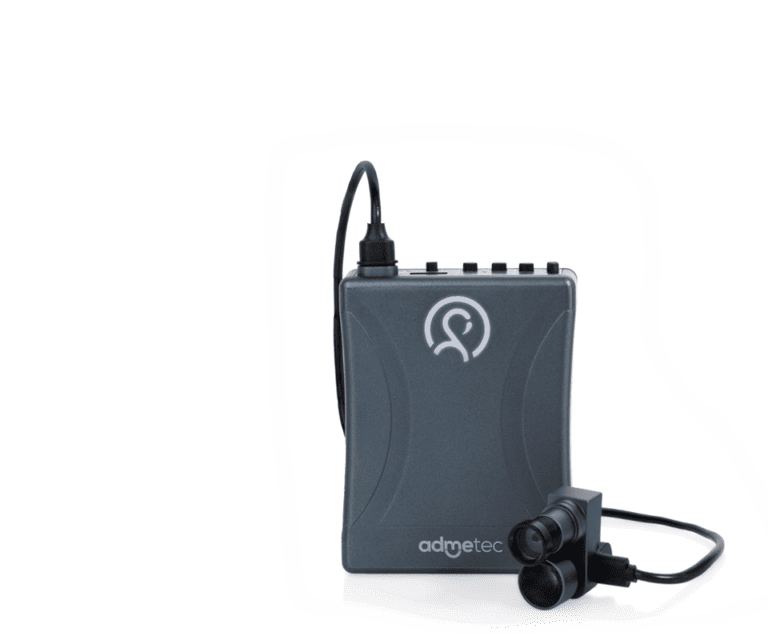
Wired Lights: Orchid Family
Why choose wired?
Featherlight on your loupes — the lightest headlights in the industry
Long-lasting battery life for full clinical sessions
| Orchid | Orchid+ | |
|---|---|---|
| Best for | Standard magnifications | High magnifications |
| Lux | 80,000 | 200,000 |
| Weight | 9g | 10.5g |
| Spot size | 110mm | 95mm |
| Battery life | 6 hours (at max power) | 6 hours (at max power) |
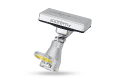
The Orchid+ delivers a tighter, precision-engineered spot that fits the smaller field of view of high-mag loupes — concentrating more light where you actually work, without blinding the patient. It runs cooler, weighs just 10.5g, and gives you 6 hours of powerful illumination.
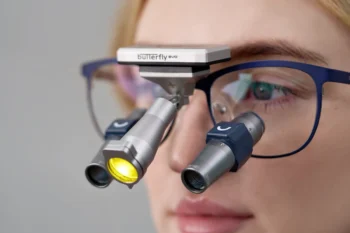
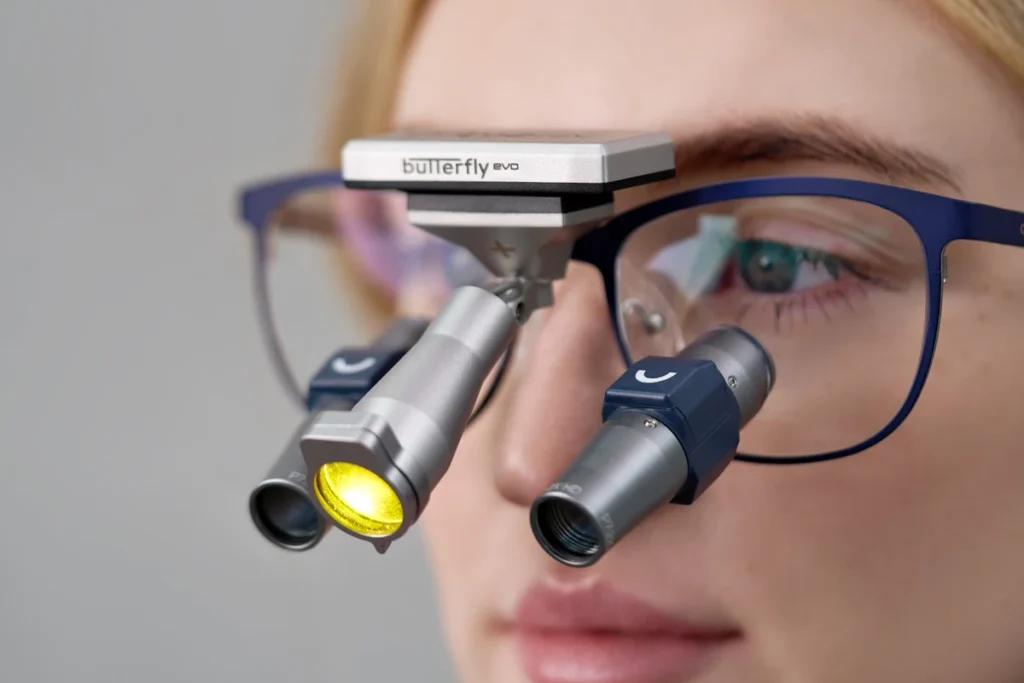
Wireless Lights: Butterfly Evo Family
Why choose wireless?
True freedom of movement — no cable, no battery pack on your waist
Setup in seconds — clip on and go
| Evo / Evo S | Evo+ / Evo S+ | |
|---|---|---|
| Best for | Standard magnifications | High magnifications |
| Lux | 35,000–55,000 | 80,000–125,000 |
| Weight | 24–29g (total) | 25–30g (total) |
| Spot size | 110mm | 95mm |
| Battery life | 2 hours (at max power) | 2 hours (at max power) |
The Evo+ puts high-magnification performance in a fully cordless package. With a focused spot and powerful output designed specifically for demanding clinical work, it’s the first wireless light that truly keeps up with high-mag loupes — and it is currently the strongest wireless light on the market.
Your magnification determines your light. Your preference determines the style. Admetec takes care of the rest.