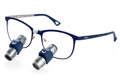
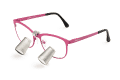


If you’ve invested in dental or surgical loupes, you already know the difference magnification makes — sharper detail, better posture, and a longer, healthier career.
But most people don’t realize that prescription is a critical factor in loupe design. Many find it inconvenient to get an optometrist’s prescription, or feel frustrated by the extra cost of having it integrated into their loupes. What most don’t understand is why it’s such an important step in the loupe manufacturing process.
In this article, we’ll explain why it’s so critical.
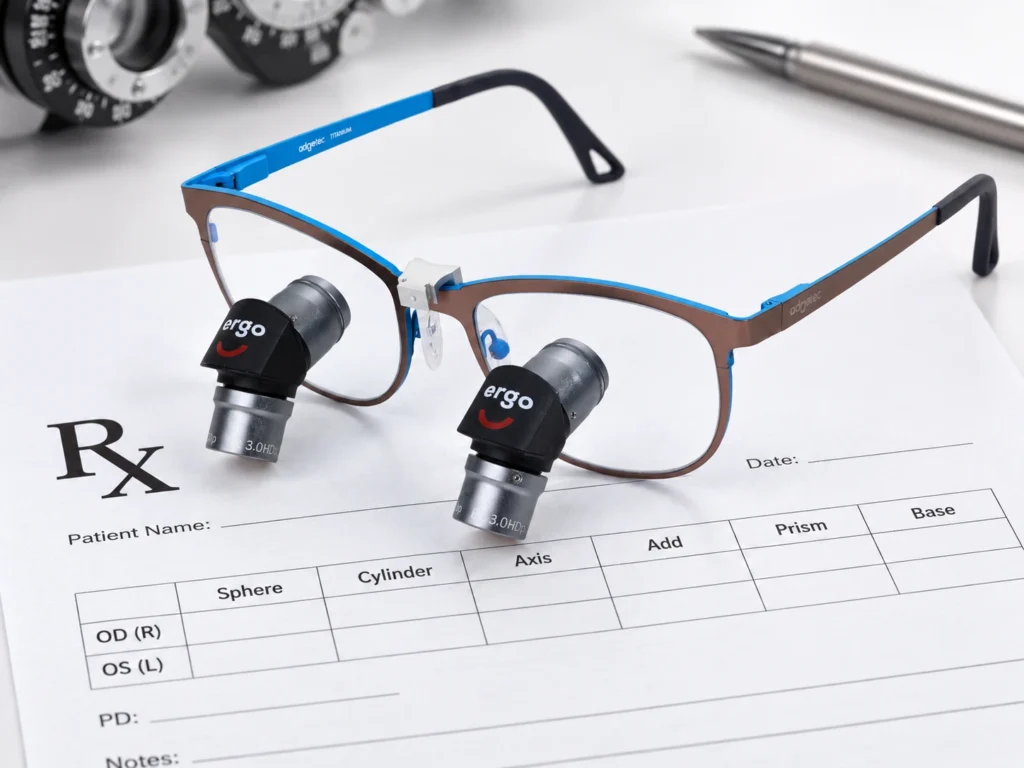
Two types of correction, two different jobs
When we talk about prescription in loupes, we’re actually talking about two separate corrections that serve different purposes.
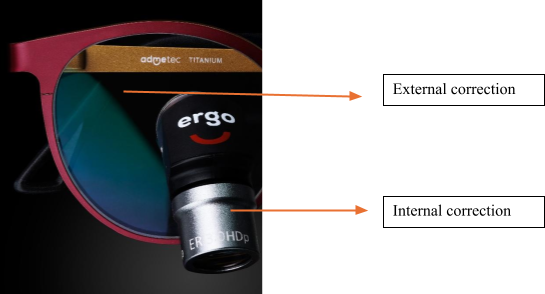
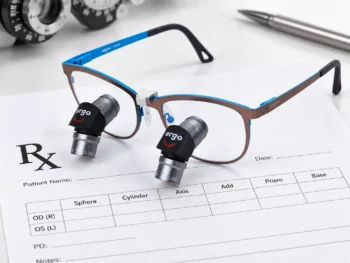
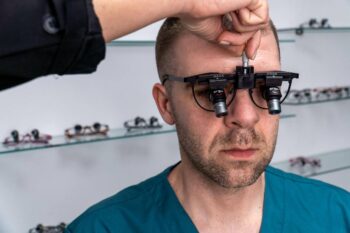
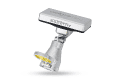
The first is the internal correction — a prescription lens built into the loupe’s ocular optics. If you have a vision correction, this isn’t optional. Without it, your working distance shifts. A minus prescription that isn’t corrected will push your focal point closer; a plus prescription will push it further away. Either way, you end up compensating with your body — leaning in or pulling back — which undermines the entire ergonomic benefit loupes are supposed to provide. And the higher the magnification, the worse this gets, because high-magnification loupes have a narrower depth of field, leaving less room for error.
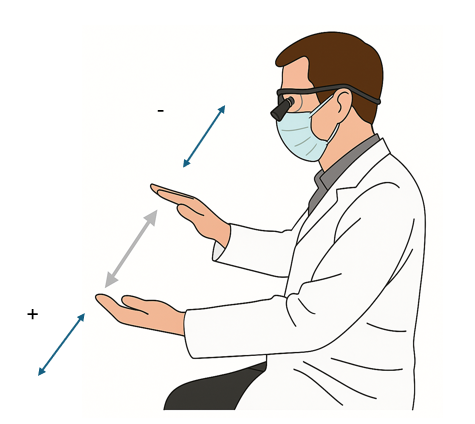
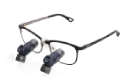
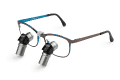
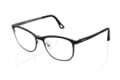
The second is the external correction — prescription lenses in the carrier frame (the clear lenses that house the loupes). This is highly recommended rather than strictly mandatory, but it matters more than people think. When you look up from your work — at your assistant, the monitor, the instrument tray — you need clear peripheral and mid-range vision. In some cases, very low prescriptions may not require external correction, but this is the exception, not the rule. Without it, everything outside the magnified field is blurry, which slows you down and creates unnecessary strain.
The real cost of skipping it
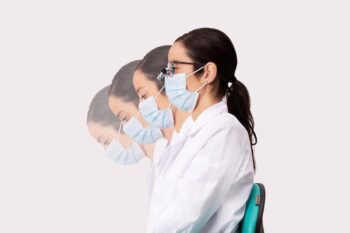
Loupes are a posture tool as much as they are a vision tool. Research consistently shows that musculoskeletal disorders affect a strikingly high percentage of dental professionals, often in the neck, back, and shoulders. One of the key advantages of loupes is that they enforce a proper working distance and encourage a more upright posture. But that only works if the optics are calibrated to your eyes. An uncorrected prescription throws off the working distance, and suddenly you’re hunching forward or craning your neck — exactly the habits loupes are designed to prevent.
What about contact lenses?
Some practitioners sidestep the whole question by wearing contacts under their loupes. It’s a perfectly valid approach, and it eliminates the need for both internal and external prescription lenses. Just keep in mind that this is a permanent commitment: once your loupes are built for use with contacts, you cannot use them without your contacts in. The loupes simply won’t be optically correct for your work.
The bottom line
Prescription integration adds cost to your loupes — there’s no getting around that. But loupes are a long-term investment in your clinical precision and your physical health. For your loupes to truly benefit your posture and performance, prescription has to be part of the equation.
For more questions, contact your Admetec sales representative.