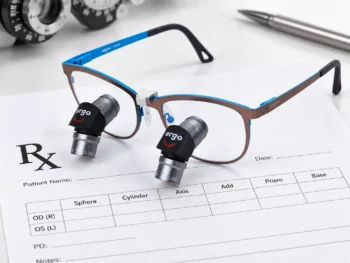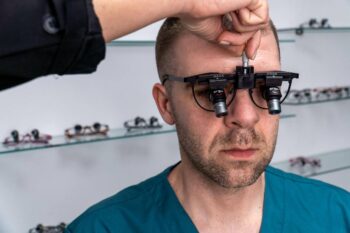
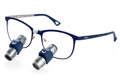
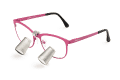


Many professionals hesitate to purchase loupes due to the significant cost. It is indeed a considerable investment, especially if you think of it as a product that lasts “only a few years.” But is that really the case? With proper use and maintenance, high-quality loupes can last for many years, and sometimes even an entire career.
Recently, I met a retired endodontist who enthusiastically told me about a pair of loupes and a lighting system he had used for around 20 years, all the way until retirement. They were stored in their original case and remained in fully functional condition. This is not an isolated case. More and more experienced clinicians share stories of decades-old loupes that are still working well.
And yet, in recent years, it seems that many professionals replace their loupes every 5-8 years. So what has changed?
Why Are Loupes Replaced More Frequently Today?
Technological advancements
The pace of technological development is faster than ever: new materials, lighter designs, improved optics, and stronger lighting systems. Some clinicians prefer to stay at the cutting edge and work with the latest equipment.
The upgrade mindset
Much like smartphones, some people replace them only when they stop working, while others enjoy upgrading even when their current equipment still functions perfectly.
Changing professional needs
Over the course of a career, many clinicians specialize in different fields. A new specialty may require different magnification, a different working angle, or a more powerful lighting system.
Maintenance awareness
In the past, there was greater awareness around preserving professional equipment. Instructions were read and followed carefully. Today, a lack of proper maintenance can sometimes shorten a product’s lifespan.
Playlist
So how can you make your loupes last for years?
Guidelines for Proper Use and Long-Term Care
Cleaning: the foundation of longevity
Proper cleaning is the most critical factor in preserving optical quality over time.
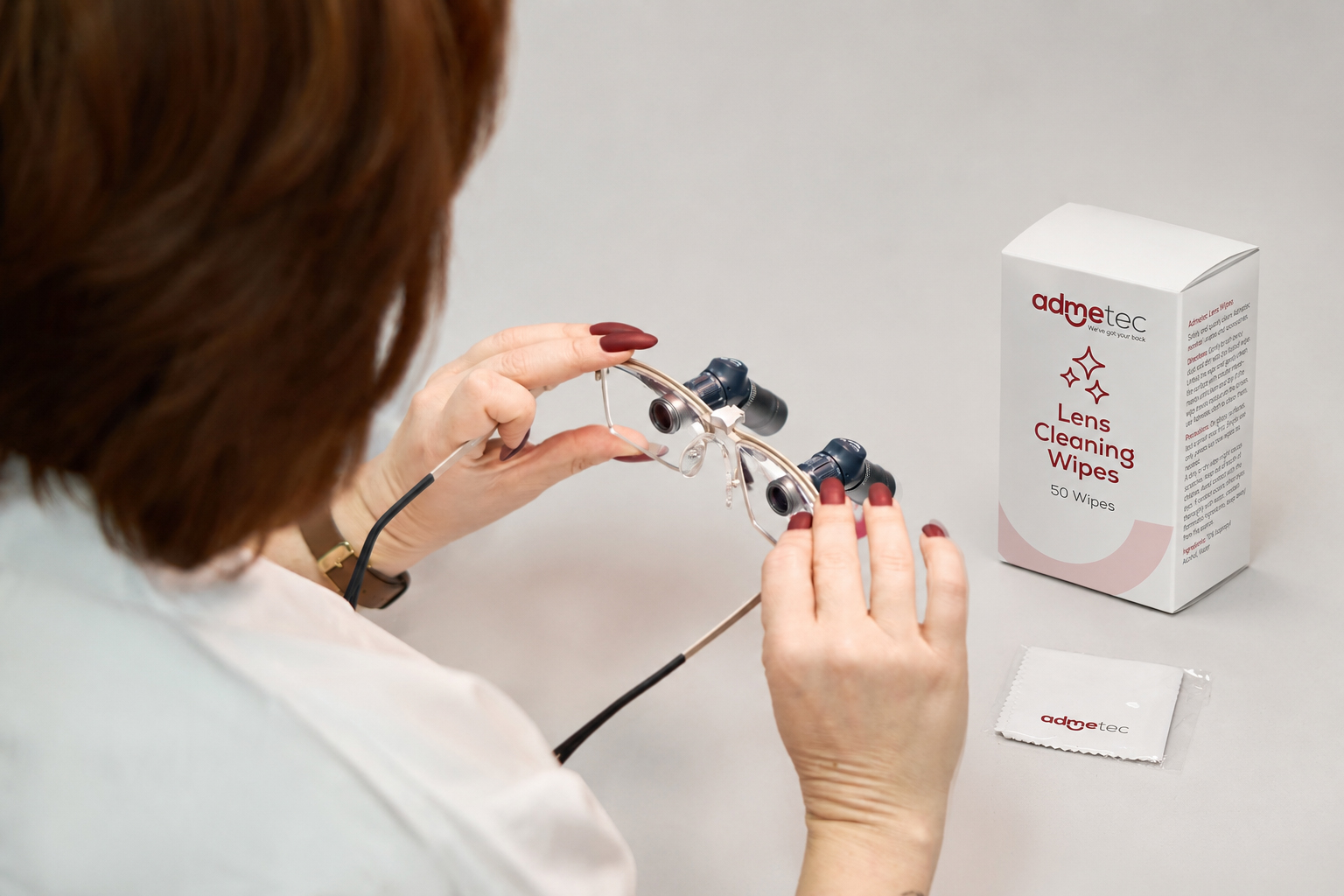
Use appropriate cleaning materials
Many loupes are not made of glass but of polycarbonate, and their lenses often have special coatings. Using harsh cleaning agents can damage these coatings and cause cloudiness or “fogging.”
Recommendation: Use only manufacturer-approved cleaning materials. Typically, diluted mild soap or 70% alcohol is suitable.
Avoid excessive exposure to water
Most loupes are not water-resistant. An overly wet cloth may allow moisture to penetrate and create internal fogging.
Before cleaning, squeeze out any extra wetness from the cloth and avoid wetting connection points, metal parts, or electrical components (in lighting systems).
Use a proper cleaning cloth
Rough fabrics can scratch the lenses, and paper tissues may leave fibers behind.
Recommendation: Use a designated microfiber cloth for optical cleaning.
Proper daily use
Handle the temples with care
Even if the frame is made of titanium, carbon fiber, or high-quality plastic, improper opening and closing over thousands of cycles will lead to wear.
Do not open the temples beyond their natural hinge range. When putting on or removing the loupes, release straps if present and avoid pulling outward beyond the intended motion.
Avoid drops
High-quality loupes are more durable than they seem and may survive occasional drops, but there is no reason to test this. Repeated impacts will affect optical precision and structural integrity over time.
Proper storage
Tmperature
Extreme heat or cold transitions can cause micro-cracks and loosen components.
Do not leave loupes in a hot car under the sun or in extreme cold. Store them at room temperature in a shaded, dry place.
Humidity
Humid environments (such as bathrooms) may cause internal fogging of the lenses. Store in a dry area.
Use the original case
The case designed for your loupes provides optimal protection.
Avoid using non-approved cases, and do not store additional items (such as batteries or accessories) next to the loupes, as they may scratch the lenses.
Summary
High-quality loupes are not a short-term consumable. They are a professional tool that can accompany you for many years, and even an entire career, if properly maintained. Proper care does not require much effort: just awareness, gentleness, and consistency in following a few simple guidelines.
There is no doubt that purchasing new loupes is exciting: new design, upgraded optics, and a sense of professional renewal. It is natural and even enjoyable to upgrade and benefit from technological advancements. However, it is important to remember that replacement is not always necessary if there is no real need or budget for it. Well-maintained loupes will continue to serve you faithfully, even without upgrading every few years.